


The Lasting Legacy of Cornerstones in Construction History

The cornerstone has long been a symbol of strength, stability, and the beginning of something important in construction. This simple stone holds a rich history that dates back thousands of years and continues to influence modern building practices. Understanding the significance of the cornerstone reveals not only its historical value but also its practical role in today’s construction projects.
The Origin and Meaning of the Cornerstone
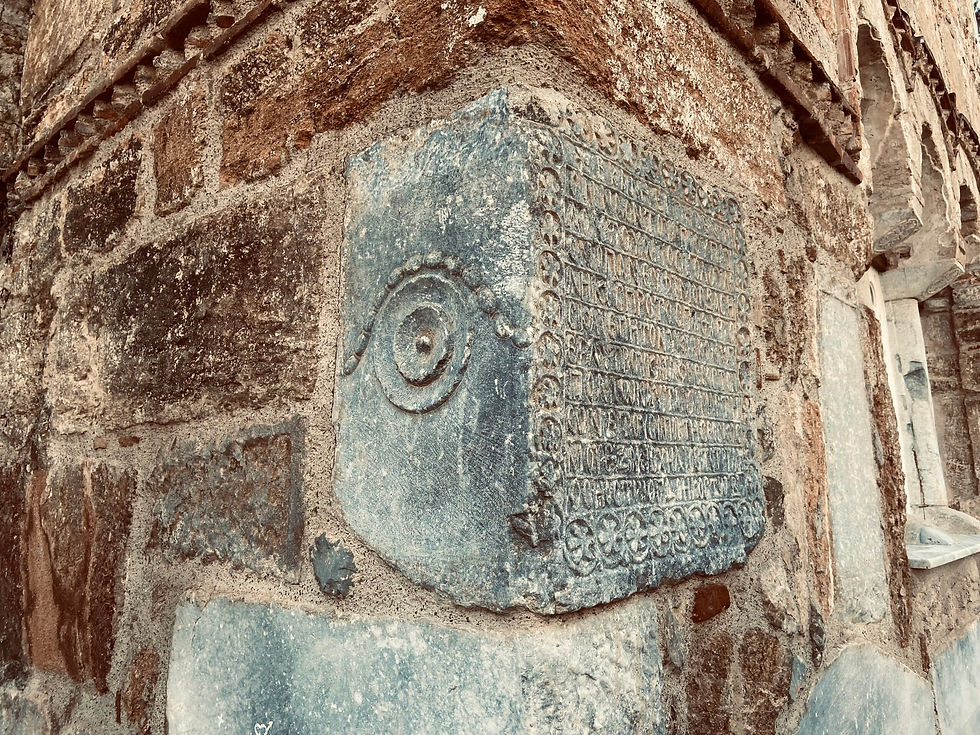
The cornerstone is traditionally the first stone set during the construction of a building. It serves as a reference point for the entire structure, ensuring that the building is aligned correctly. This practice dates back to ancient civilizations such as the Egyptians, Greeks, and Romans, who understood the importance of precision in construction.
Beyond its practical use, the cornerstone often carried symbolic meaning. It represented the foundation of a community or institution, a marker of trust and permanence. In many cultures, placing the cornerstone was accompanied by ceremonies or rituals, highlighting its importance.
The Oldest Known Cornerstone
One of the oldest known cornerstones comes from the Great Pyramid of Giza in Egypt, built around 2580–2560 BCE. Archaeologists have found evidence that the Egyptians used carefully placed stones as foundational markers to guide the pyramid’s construction. These stones ensured the massive structure was perfectly aligned with the cardinal points, a feat that still impresses engineers today.
Another early example is the cornerstone of the Parthenon in Athens, constructed in the 5th century BCE. The builders used the cornerstone to establish the temple’s exact position and orientation, which contributed to its architectural harmony and durability.
These ancient cornerstones were not just functional; they were often inscribed with symbols or texts that conveyed the building’s purpose or honoured the gods. This tradition of marking cornerstones with inscriptions continues in many cultures.
Cornerstones in Ceremony
In a not-so-distant past it was commonplace to engage in public cornerstone ceremonies to mark the start of a major project. These events brought together builders, community leaders, and residents, reinforcing the connection between the building and its community.
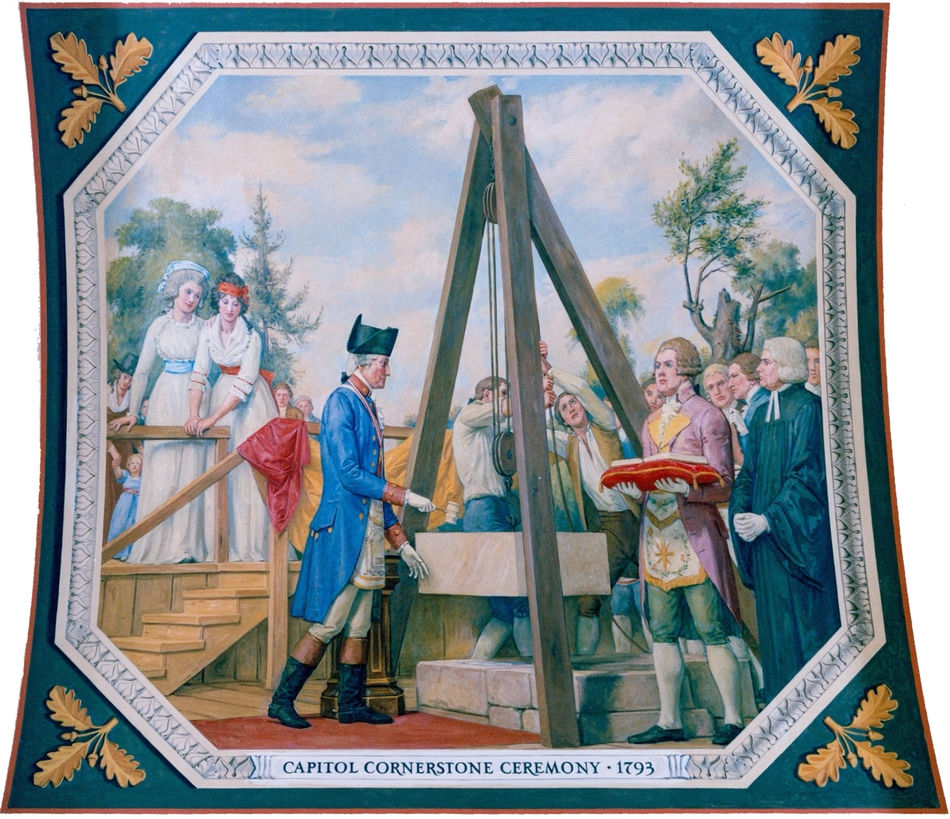
Cornerstones served as historical records. Many old buildings have cornerstones that include the date of construction and the names of key figures involved in the project. These stones provide valuable information for historians and preservationists.
For example, Toronto’s historic buildings often feature cornerstones that tell stories about the city’s growth and development. These markers connect the past with the present, reminding residents of the craftsmanship and vision that shaped their surroundings.
Preserving cornerstones during renovations or restorations is important for maintaining a building’s heritage. Contractors working on such projects must carefully document and protect these stones to honor the original construction.

How Cornerstones Influence Future Construction
The tradition of the cornerstone encourages builders to think about the long-term impact of their work. It symbolizes a commitment to quality and durability, values that remain essential in construction today.
As building techniques evolve with new materials and technologies, the cornerstone reminds us of the importance of a strong foundation. Whether constructing a small home or a large public building, starting with care and precision sets the tone for the entire project.
Understanding the legacy of the cornerstone can inspire greater respect for the craft of building. It highlights how every structure is part of a larger story, connecting past, present, and future.
Create your own lasting legacy with us, here at Romo Cornerstone Contracting, and contact us at 416-318-7110, or click the link below:


Comments